Understanding the Buyer Demographics of Full-Size Trucks
Profile of Typical Full-Size Truck Owners
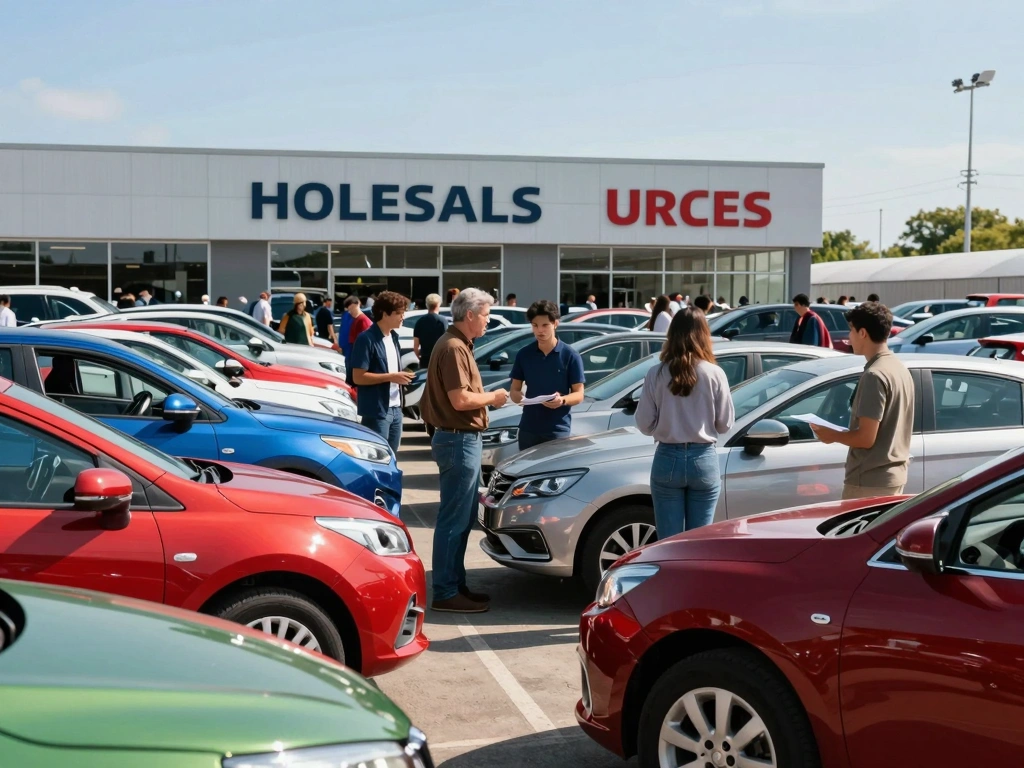
The typical full-size truck buyer often embodies a blend of utility and lifestyle. According to data from the Automotive Industry, the average demographic for full-size truck owners skews towards individuals aged 35 to 54, predominantly male, and often residing in suburban or rural settings. These buyers are usually professionals or blue-collar workers, with a median household income ranging between $75,000 and $100,000 annually. Interestingly, while some purchases are driven by the need for towing capacity, many buyers prioritize other attributes, such as comfort, aesthetics, and advanced technology.
Factors Influencing Purchase Decisions
When considering why many full-size truck buyers rarely tow, it’s essential to examine the factors influencing their purchase decisions. Buyers often gravitate towards trucks for their perceived versatility. Features such as spacious cabins, impressive cargo capacities, and advanced infotainment systems play significant roles in the decision-making process. Additionally, the appeal of rugged aesthetics and the status symbol associated with owning a full-size truck cannot be understated. Consequently, these factors often overshadow the actual need for towing capabilities.
Regional Variations in Truck Ownership
Regional differences also contribute to the rarity of towing among full-size truck buyers. In states like Texas and Wyoming, where outdoor activities such as camping and boating are prevalent, truck owners may utilize their vehicles for towing much more frequently. Conversely, in metropolitan areas such as New York City or San Francisco, where urban lifestyles dominate, many truck owners may never find themselves in a situation requiring towing. The environment in which buyers reside significantly influences their truck usage patterns, with urban owners typically using trucks for daily commutes and errands rather than for towing purposes.
The Impact of Lifestyle Choices on Towing Frequency
Urban vs. Rural Truck Usage
Urban truck owners often utilize their vehicles as daily drivers rather than for towing. In cities where parking space is limited and traffic congestion is common, large vehicles can be cumbersome. A study conducted by the American Automobile Association (AAA) indicated that approximately 60% of urban truck owners primarily use their trucks for commuting and running errands. In contrast, rural truck owners may have greater access to open spaces and outdoor activities, leading to more frequent towing. However, even among rural truck owners, many prefer to use their trucks for personal use instead of towing trailers, boats, or other equipment.
Alternative Recreational Activities
Another reason full-size truck buyers rarely tow is the rise of alternative recreational activities that do not require towing. Many truck owners are now opting for hobbies such as biking, hiking, or participating in sports that do not necessitate heavy towing. For example, a 2021 survey by the Recreational Vehicle Industry Association (RVIA) found that only 25% of truck owners reported using their vehicle to tow an RV or trailer, while a staggering 45% engaged in activities that require minimal or no towing at all.
Work vs. Personal Use of Trucks
Additionally, many full-size trucks are purchased for personal use rather than work-related activities that require towing. A significant portion of truck buyers are motivated by lifestyle choices, wanting a versatile vehicle that can accommodate family outings, grocery shopping, or weekend getaways. For instance, even contractors who own trucks for work often find that they spend more time using them for personal errands than for hauling equipment. As per a study by J.D. Power, over 70% of truck owners reported using their vehicles for personal use more than half the time.
Trends in Truck Features and Technology
Modern Amenities Over Utility
In recent years, full-size trucks have evolved into luxury vehicles equipped with modern amenities that prioritize comfort and convenience over traditional utility. Features such as heated seats, advanced sound systems, and premium materials are now commonplace in trucks like the Ford F-150 and Ram 1500. This shift in focus towards luxury has led to a decline in towing frequency, as buyers are more interested in the overall driving experience and the vehicle's ability to serve as a family car rather than as a workhorse. The 2022 Ford F-150, for instance, boasts a spacious cabin and an 8-inch touchscreen display, appealing to buyers who value comfort.
Increased Comfort and Luxury Options
The increasing availability of comfort and luxury options in full-size trucks has created a market that appeals to buyers who might not require towing capabilities. High-end models now come with features like adaptive cruise control, lane-keeping assist, and even massaging seats. For example, the Ram 1500 Limited is equipped with leather upholstery, a panoramic sunroof, and state-of-the-art infotainment systems that make it an appealing choice for buyers focused on comfort rather than utility. As a result, this trend has further diminished the perceived necessity for towing among truck owners.
Technological Advancements Reducing Need for Towing
Technological advancements have also played a role in reducing the need for towing. Many full-size trucks are now equipped with features that allow owners to transport goods without the need for trailers. For instance, the Ford F-150 offers an innovative “Pro Power Onboard” feature that allows users to plug in tools and devices directly into the truck, negating the need to tow a generator or other heavy equipment. This kind of technology has shifted the focus away from traditional towing and towards versatile uses that cater to the modern truck owner's lifestyle.
Economic Factors Affecting Towing Habits
Cost of Maintenance and Fuel Efficiency
Economic factors significantly influence towing habits among full-size truck owners. The rising costs of maintenance, fuel, and insurance have made some truck owners hesitant to engage in towing activities. According to the U.S. Department of Energy, trucks generally have lower fuel efficiency compared to cars, especially when towing heavy loads. This can lead to increased fuel costs, making it less appealing for owners to tow regularly. For example, the Chevrolet Silverado 1500 has an average fuel economy of approximately 20 miles per gallon, which drops significantly when towing.
Economic Pressure on Consumer Spending
Moreover, economic pressure on consumer spending can discourage truck owners from using their vehicles for towing. Many buyers are cautious about incurring additional expenses related to towing, such as the costs associated with maintenance, repairs, and fuel consumption. A survey conducted by AAA in 2023 indicated that approximately 40% of truck owners cited financial concerns as a reason for not towing frequently. With economic uncertainty affecting consumer behavior, many full-size truck owners may choose to avoid towing altogether.
Insurance and Financing Considerations
Insurance and financing considerations further complicate the situation. Towing requires additional insurance coverage, which can raise premium costs. Furthermore, financing a full-size truck with towing capabilities may come with higher interest rates due to the perceived risk associated with towing. As a result, many buyers opt for models that fit their lifestyle without the need for these additional considerations, leading to a trend where towing becomes an afterthought rather than a necessity.
Perceptions and Misconceptions About Truck Capability
Marketing Influence on Buyer Expectations
Marketing plays a significant role in shaping buyer perceptions about the capabilities of full-size trucks. Advertisements often emphasize towing capacities, ruggedness, and off-road capabilities, leading buyers to believe that they will utilize these features frequently. However, this perception can be misleading. In practice, many truck owners rarely, if ever, tow anything. A study conducted by the National Automotive Dealers Association (NADA) found that while 85% of truck advertisements highlight towing capabilities, only 30% of truck owners actually tow on a regular basis.
Common Myths About Towing Necessity
There are also common myths surrounding the necessity of towing that can skew buyer expectations. Many prospective buyers mistakenly believe that owning a truck automatically requires towing capabilities, leading them to purchase vehicles designed for heavy-duty use without understanding their actual needs. For instance, a buyer may opt for a truck with a towing capacity of over 12,000 pounds without ever intending to tow anything close to that weight. This disconnect can result in a mismatch between vehicle capabilities and actual usage.
Social Pressure and Image Considerations
Lastly, social pressure and image considerations play a significant role in the decision to purchase a full-size truck. Many buyers feel compelled to choose trucks that project a certain image of ruggedness and capability, even if their lifestyle does not necessitate towing. This societal expectation can lead to a phenomenon where buyers feel they must buy trucks with high towing capacities, even if they rarely use them for that purpose. The desire to fit in with peers or to present a particular image can overwhelmingly influence purchasing decisions, with little regard for actual utility.
Conclusion
In conclusion, while full-size trucks are marketed as versatile, rugged vehicles capable of towing heavy loads, the reality is that most buyers rarely utilize these capabilities. Factors such as buyer demographics, lifestyle choices, economic pressures, and misconceptions about truck utility significantly contribute to this trend. As consumer preferences continue to evolve and technology advances, it remains to be seen how the towing habits of full-size truck owners will change in the future. However, it is clear that for many, the allure of owning a full-size truck often stems from lifestyle desires rather than the practical need for towing.